
Sonrise Boxing: What They Do There Is What They Do Here
Sonrise Boxing
I didn’t travel to Cuba with the Sonrise Boxing team. I listened afterward—carefully—to the people who did. As they shared what they experienced, what stood out wasn’t a highlight reel or a list of accomplishments, but a steady thread of faithfulness, patience, and trust in God’s timing. Again and again, the story returned to the same realization: this wasn’t about doing something new. It was about doing what they already do—somewhere else.
The idea for Cuba began months earlier at a men’s retreat. Someone asked whether a boxing camp there might be possible. The answer came quickly and confidently: yes. But almost everything that followed made that yes feel uncertain. Volunteers were hard to come by. Funding wasn’t there. Events meant to support the trip fell apart. Even two weeks before departure, paperwork issues threatened to shut everything down. One leader admitted there were moments when they wondered if God was closing the door altogether.
Instead of forcing momentum, the team chose to wait. They prayed. They paid attention. They trusted that if this trip was truly from God, He would make the timing clear. Eventually, provision came in a way that felt unmistakable. A boxing show in September raised around $7,000—enough to cover travel and to purchase equipment. Gloves, wraps, mouthpieces, and sparring gear were gathered and packed. What had felt fragile slowly became possible, not through urgency, but through patience.
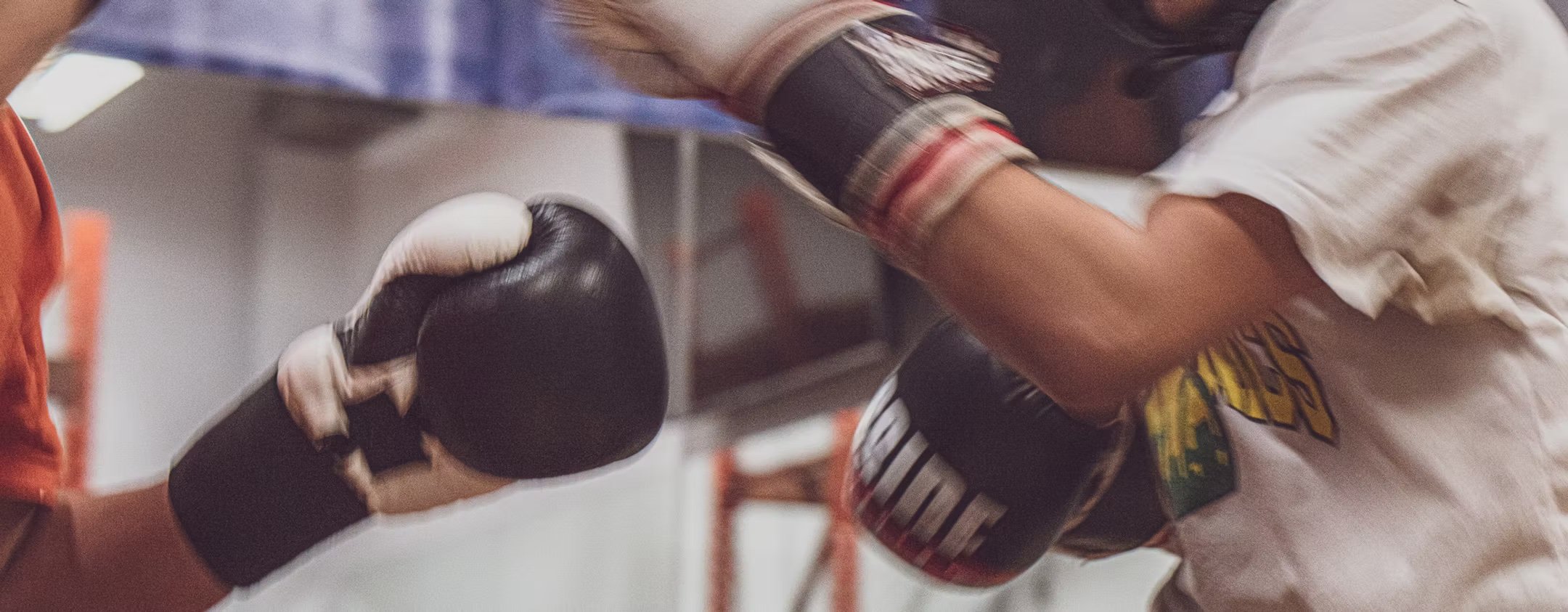
As the team talked about their work, one thing came through clearly: boxing is not the point. Boxing provides structure and discipline, but the heart of Sonrise Boxing is relational and spiritual. Leaders spoke repeatedly about keeping young boys off the streets—not simply by giving them something to do, but by giving them a place to belong. Discipline matters. Respect matters. Perseverance matters. But none of it stands alone. Faith is woven into the rhythm of everything they do.
Before and after training, devotionals are shared. Prayer is normal, not performative. Scripture is part of the cadence, not a separate program element. Jesus is not an accessory to the work; He is the foundation. That rhythm, they said, didn’t change when they went to Cuba.
When the team arrived, the first morning was quiet. A few of them ran four miles along the beach. There were no kids yet, no crowd waiting—just the discipline of showing up and doing what they always do. That afternoon, behind a local church, about fifteen kids were waiting. One leader described it as a beginning, though it didn’t yet feel like the full picture.
By the end of the week, that picture had filled in. Nearly fifty kids began showing up—some as young as four, others nearing adulthood. Almost all were boys. They watched closely. They listened. When the equipment came out, the reaction was immediate. Kids ran toward it, not because it was impressive, but because it was rare. One coach said the gratitude alone stayed with him long after the trip ended.
The days followed a simple rhythm. Mornings were spent running, moving, playing games. Afternoons were devoted to boxing training. After every session, the group gathered for a devotional. Despite the language barrier, the kids leaned in. One coach shared a moment when he spoke about the idea of a “North Pole”—what guides a person’s life, what they orient themselves around. As he spoke, kids were drawing in the dirt. When questions were invited, one child pointed to what he had drawn: a cross.
That moment didn’t need translation.
As the week went on, a boxing ring set up behind the church began drawing attention. Neighbors watched from rooftops and windows. Young men and women from the community joined in. Some stepped into a church space for the first time. Bibles were given to people who had never owned one. Testimonies were shared. The gospel was spoken plainly. Lives were offered to Christ—not in a dramatic moment, but in the quiet way faith often takes root.
When the team reflected afterward, there was no sense of triumph or self-congratulation. What came through instead was humility and gratitude. Leaders spoke about seeds being planted—trusting that God had gone ahead of them long before they arrived and that He would continue the work long after they left.
What is Sonrise Boxing?
Sonrise Boxing’s mission is to guide, inspire, and empower our youth, keeping them off the streets and helping them develop into confident, disciplined, and compassionate individuals. We strive to instill values of respect, integrity, and perseverance while fostering a strong sense of faith in God.
What sets Sonrise Boxing apart is our integration of Christian values into our program. We believe that a strong spiritual foundation is essential in building character, instilling moral values, and guiding our young boys towards a purpose-driven life. We create an atmosphere where faith is celebrated, and our participants are encouraged to explore and deepen their relationship with God.
An Invitation
Stories like this don’t exist in isolation. They are sustained by prayer, by generosity, and by a community willing to stand behind the work—often unseen. The invitation is first to pray: for the seeds planted in Cuba, for the youth being discipled locally, and for the leaders and volunteers who continue to show up week after week.
As the team prepares to return to Cuba to continue this work, those who also feel led to take a tangible step in supporting the ministry have an opportunity to do so together.
Cuba Mission Pancake Breakfast Fundraiser
Cuba Mission Pancake Breakfast Fundraiser
Date: Saturday, January 10, 2026
Time: 8:00–11:00am
Location: Sonrise Church – Dining Hall
6701 NE Campus Way
Hillsboro, OR 97124
Registration: Open to the public
Community members are encouraged to attend, invite others, and keep the Sonrise Boxing ministry in prayer as it prepares for its return to Cuba and continues serving youth locally and globally.
For more information or to register, visit Sonrise Boxing’s official channels.